The Boardroom vs. The Living Room
If you look at my resume, you will see a story of massive operational scale. You will see millions of covered lives, unconventional partnerships, and complex revenue architectures. But if you want to understand how I actually lead, you have to look outside the boardroom. You have to look at my living room.

My Greatest Mentor
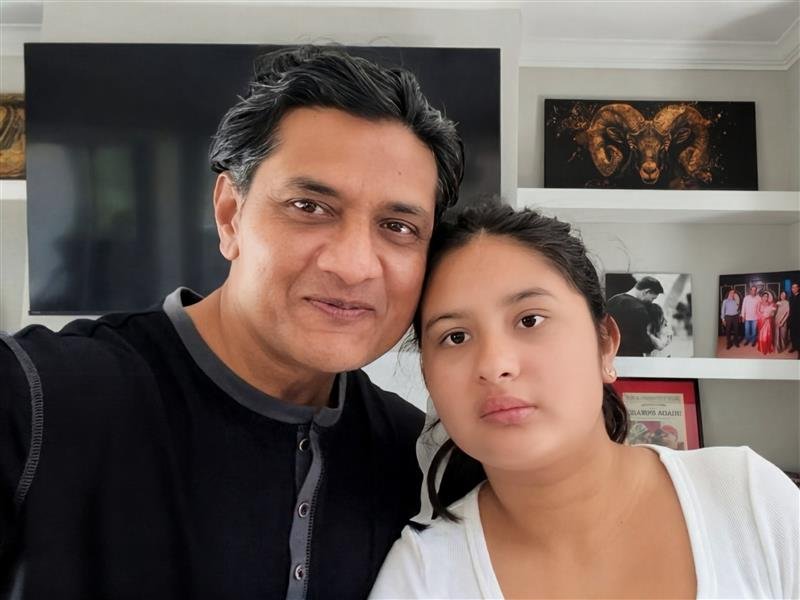
I am the proud father of an extraordinary 14-year-old daughter. She is autistic, and she is entirely non-verbal.
In the corporate world, we are taught that communication is about articulation. Who has the best pitch, who can command the room, who has the sharpest slide deck. Raising my daughter completely dismantled that belief. When words are removed from the equation, you are forced to learn a completely different language.
"She taught me that the most critical information is rarely spoken. True communication is about how deeply you are willing to pay attention."
The Architecture of Empathy
Learning to listen to the unsaid: the shifts in energy, the behavioral cues, the silent friction, profoundly rewired my DNA as a man and as an executive. I realized that the "growth at all costs" mentality so prevalent in legacy industries is fragile. True resilience requires profound human empathy.
I do not view high Emotional Intelligence (EQ) as a soft skill. I view it as the ultimate business asset. When you learn to listen to the friction in your teams the way I have had to listen to the unspoken needs of my daughter, you don't just optimize operations, you build a culture that is practically unbreakable.
You don't wait for things to happen and then react. You move with intentionality and intensity. A sense of urgency is not something to do, it is just what you are.
Built Much. Time For More.
I call this an "uncommon life" because it operates at the intersection of extreme corporate discipline and deep, unconditional grace. It is a balancing act, and it is the driving force behind my mission to build shared prosperity in the communities we live and